For a business that is considering buying commercial pressure washing equipment, the end of the year brings a useful question: can the purchase be written off this year rather than depreciated slowly over many years?
For qualifying equipment, the answer is often yes, through a provision of the tax code called Section 179, and for tax years beginning in 2026 the amount a business can deduct this way is substantial.
Understanding how Section 179 works can turn a planned equipment purchase into a meaningful tax advantage.
At PSI Products, we supply commercial and industrial pressure washing equipment to businesses in Orange County, Los Angeles County, and across Southern California, and here is a plain-language explanation of Section 179 and the 2026 limits.
Quick answer: Usually, yes. A commercial pressure washer bought for business use generally qualifies for Section 179. For tax years beginning in 2026, the deduction limit is $2,560,000, phasing out above $4,090,000 in purchases. The machine must be placed in service by December 31 to count for 2026. Confirm your situation with your accountant.
What Section 179 Actually Does
Section 179 of the federal tax code lets a business deduct the full purchase price of qualifying equipment in the year it is placed in service, rather than depreciating that cost in small pieces over a period of years.
Ordinarily, when a business buys equipment, the tax code treats that cost as something to be recovered gradually through annual depreciation deductions spread across the useful life of the asset. Section 179 allows eligible businesses to skip that long schedule and take the whole deduction up front, in the year they actually buy and begin using the equipment.
For a business buying a commercial pressure washer, that can mean deducting the full cost this year instead of a fraction of it, which improves the cash-flow math of the purchase considerably. The IRS explains how the deduction works, including the dollar limit, the business income limit, and carryovers, in Publication 946, How to Depreciate Property.
The 2026 Limits
For tax years beginning in 2026, the Section 179 figures are significant. The maximum Section 179 deduction is $2,560,000, and the deduction begins to phase out once the total cost of qualifying property a business places in service during the year exceeds $4,090,000, reducing dollar-for-dollar above that threshold until it is fully phased out at $6,650,000 of purchases.
For the vast majority of businesses buying pressure washing equipment, those ceilings are far above anything they will approach, which is the point: the limits are high enough that a small or mid-sized business buying commercial cleaning equipment is operating well within them.
These figures are adjusted for inflation each year, and at their 2026 levels, a commercial pressure washer purchase sits comfortably inside the deduction’s reach.
Does a Commercial Pressure Washer Qualify?
Section 179 applies to tangible business equipment used in the operation of a business, and commercial pressure washing equipment purchased for business use generally fits that description. Equipment used in a trade or business, the kind of durable business property a pressure washer represents, is the core category Section 179 is designed for.
The key conditions are that the equipment is used for business purposes, that it is placed in service during the tax year for which the deduction is claimed, and that the business meets the other requirements of the provision.
Whether a particular purchase qualifies in a particular business’s situation is exactly the kind of question an accountant answers, but commercial cleaning equipment bought and put to work in a business is squarely the type of property the deduction contemplates, and that includes the commercial pressure washers Southern California businesses use every day for fleet, facility, and equipment cleaning.
The Two Conditions That Trip People Up
Two aspects of Section 179 are worth understanding because they catch people off guard.
The first is the “placed in service” requirement: the deduction is available for the year the equipment is actually put into use, not merely ordered or paid for. Equipment bought at the very end of the year has to be in service by year-end to be deducted for that year, which matters for timing a purchase.
The second is the business income limitation: the Section 179 deduction cannot exceed the business’s taxable income for the year. It can reduce taxable income to zero but not create a loss through Section 179 alone, though amounts that cannot be used can generally carry forward.
These are the kinds of details that make confirming with a tax professional worthwhile, since they determine how much of the deduction a given business can actually use this year.
Why the Timing Matters for a Year-End Purchase
The “placed in service” rule is why Section 179 often drives year-end equipment buying. A business that has had a profitable year and wants to offset some of that income may find that buying needed equipment before year-end, and getting it into service, lets it take the deduction this year rather than next.
For a business that was going to buy a commercial pressure washer anyway, timing the purchase to capture the deduction in a high-income year can be genuinely advantageous. That said, the decision should serve the business, not the other way around; buying equipment purely for a deduction rarely makes sense, but accelerating a purchase you were going to make can.
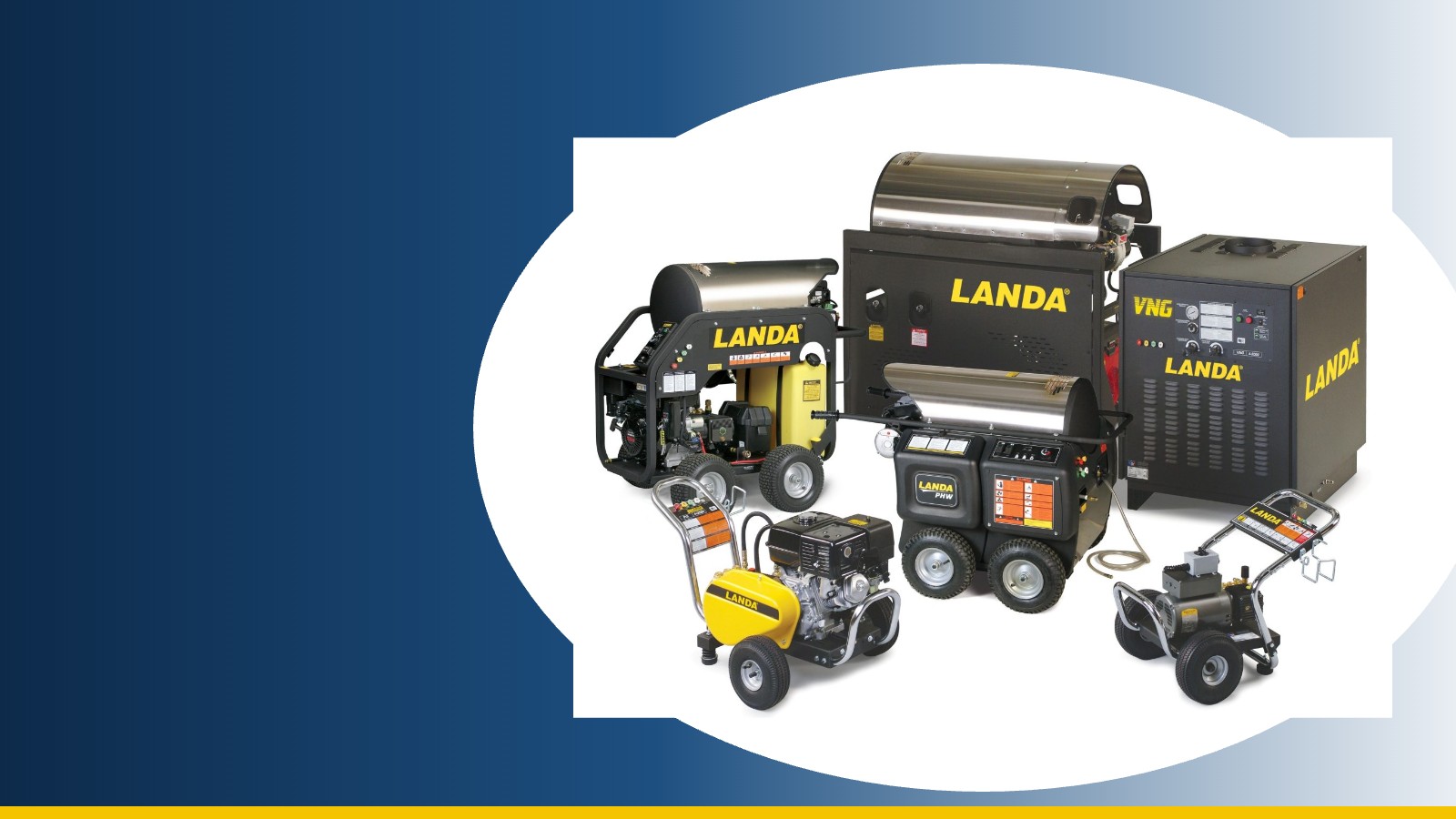
For businesses that want to time the purchase without paying the full cost up front, our Landa pressure washer financing options are worth a look, and your accountant can tell you how financed equipment is treated for Section 179 purposes.
Frequently Asked Questions
What is the Section 179 limit for 2026?
For tax years beginning in 2026, the maximum Section 179 deduction is $2,560,000. It phases out dollar for dollar once qualifying purchases exceed $4,090,000 and is gone at $6,650,000.
Does a financed pressure washer qualify for Section 179?
Financed equipment can qualify if it is placed in service during the tax year. Ask your accountant how your financing is treated before you buy.
Where can Southern California businesses buy a commercial pressure washer before year-end?
PSI Products supplies Landa and other commercial and industrial pressure washers across Southern California, with financing options, from our Westminster location.
Talk to Your Accountant, Then Talk to Us
Section 179 can make a commercial pressure washer purchase considerably more attractive at tax time, with a 2026 deduction limit of $2,560,000 that sits far above what any pressure washing purchase will reach.
The specifics of how it applies to your business, the income limitation, the placed-in-service timing, and your eligibility, are questions for your accountant. Once you know the tax side, we can help with the equipment side.
Contact PSI Products to discuss the commercial pressure washing equipment your Southern California business needs.