Pressure washers are powerful tools designed to tackle tough cleaning jobs efficiently, but when something goes wrong, performance can drop quickly.
From low pressure to leaks or startup issues, understanding how to troubleshoot common pressure washer problems can help extend equipment life, improve safety, and prevent unnecessary downtime.
This guide walks through the most frequent pressure washer issues, what typically causes them, and what steps users can take before calling for professional service.
When replacement parts or accessories are needed, PSI Products offers durable components designed to keep pressure washers running at peak performance.
How Pressure Washers Operate
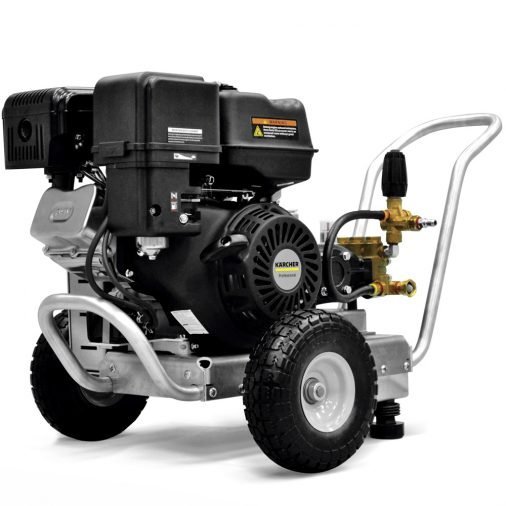
A pressure washer relies on three core systems working together: a steady water supply, a pump that increases pressure, and a power source such as an electric motor or gas engine. If any of these systems are disrupted, performance issues can occur.
Because pressure washers operate at extremely high pressures, proper troubleshooting and maintenance are not only important for performance, they are critical for user safety.
According to the Centers for Disease Control and Prevention (CDC), pressure washers can cause serious injuries if used improperly, reinforcing the importance of addressing mechanical issues promptly and safely.
Common Pressure Washer Problems and How to Address Them
Many pressure washer issues stem from a small number of common causes, and identifying them early can prevent larger mechanical or safety problems.
Low or No Water Pressure
Low pressure is the most common issue pressure washer users experience. In many cases, the cause is external and easily corrected.
- Start by checking the water supply. The inlet hose should be fully open, free of kinks, and connected to a water source capable of delivering consistent flow. Restricted water supply prevents the pump from generating proper pressure.
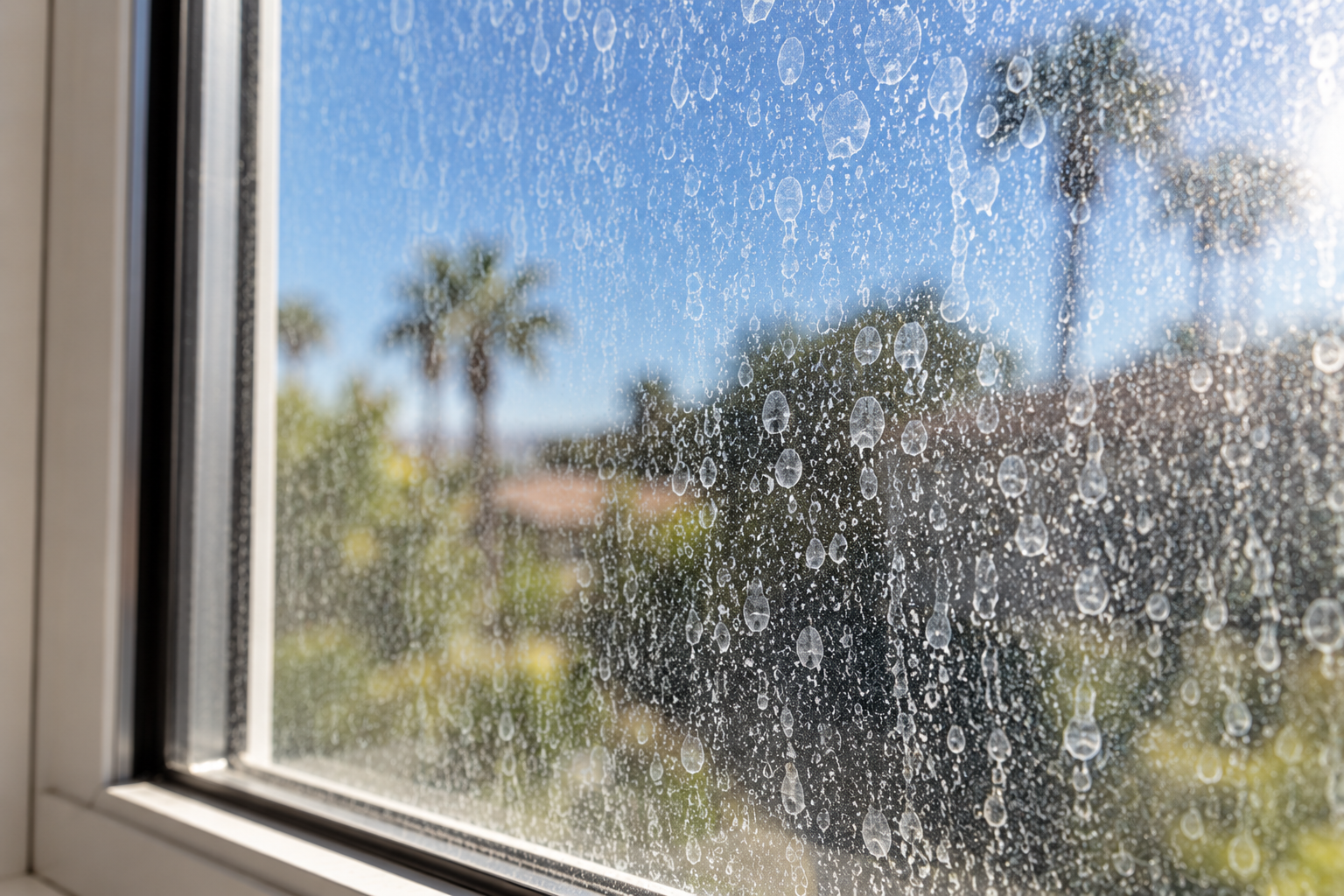
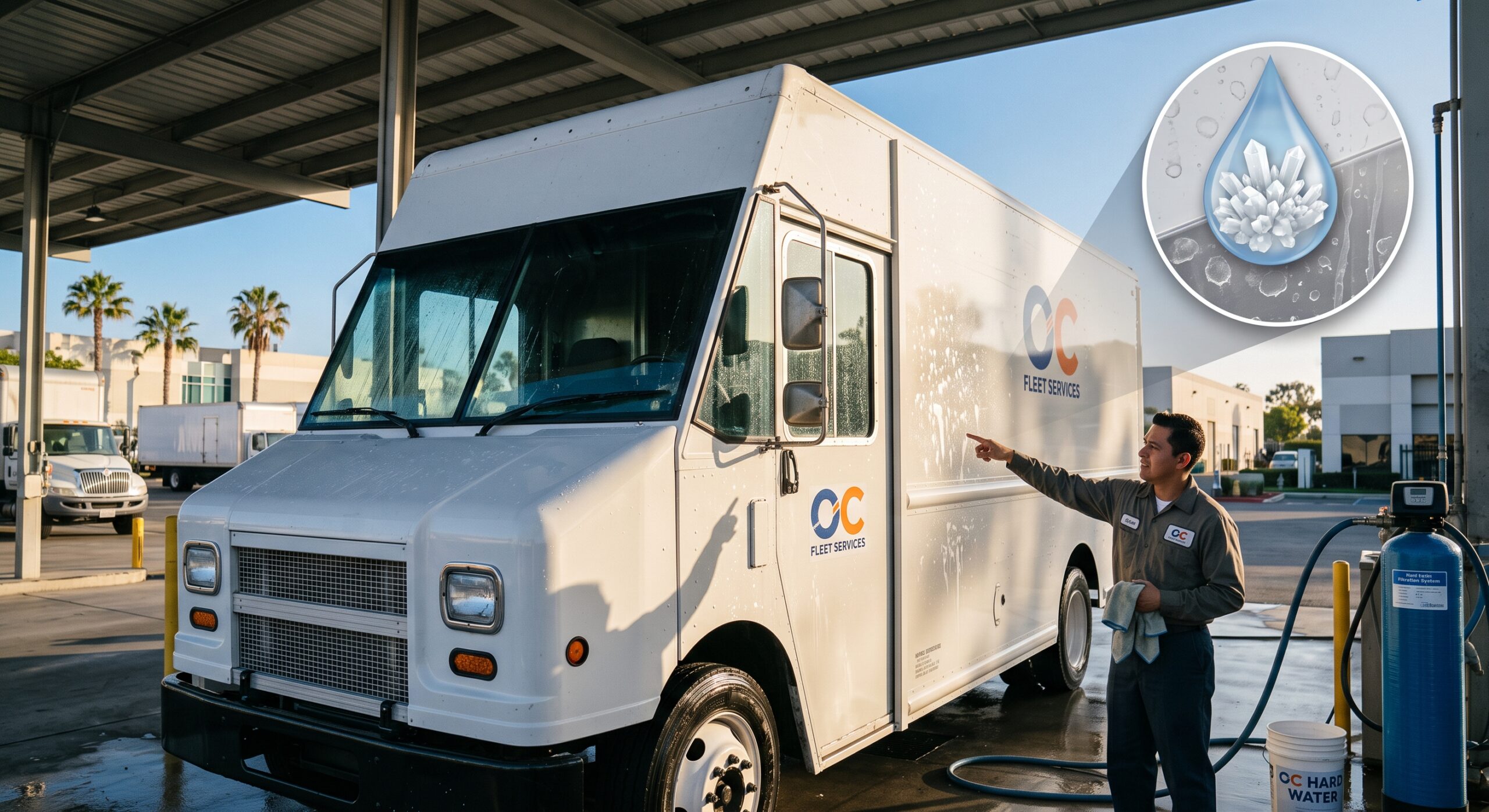
- Next, inspect the spray nozzle. Dirt, mineral deposits, or wear can disrupt the spray pattern and significantly reduce pressure. Cleaning or replacing the nozzle often restores performance.
Air trapped in the system can also cause pressure fluctuations. To remove air, turn off the machine and squeeze the trigger until water flows smoothly before restarting.
If these steps don’t resolve the issue, internal pump components such as seals or valves may be worn and require professional service.
Pressure Washer Won’t Start
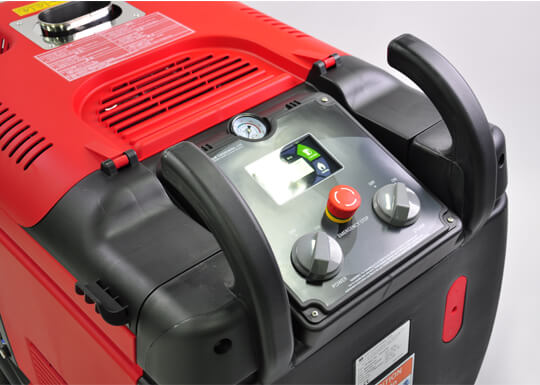
When a pressure washer fails to start, the cause often depends on whether the unit is gas-powered or electric.
- For gas models, check that the fuel is fresh, the spark plug is clean and properly connected, and the choke and throttle are set correctly. Old fuel or a fouled spark plug is a common culprit.
- For electric models, verify that the power outlet is working, the extension cord (if used) is rated for outdoor equipment, and any reset or safety switches are engaged.
Always disconnect power or shut off fuel before inspecting components.
Surging, Pulsing, or Unusual Noises
Surging pressure or unusual pump noises often indicate inconsistent water flow. This can happen if the inlet hose is partially blocked, air is trapped in the system, or the water source cannot keep up with demand.
Running water through the system without the nozzle attached can help purge air. If surging continues, internal wear within the pump may be the cause, and professional inspection is recommended.
Leaks Around Hoses or Fittings
Leaks are usually caused by loose fittings, damaged hoses, or worn seals. Tightening connections and inspecting hoses for cracks or abrasions should be the first step.
O-rings and seals naturally wear over time and may need replacement. Even small leaks should be addressed promptly, as high-pressure water can worsen damage quickly.
Preventive Maintenance Tips
Routine maintenance helps reduce the likelihood of performance issues and improves overall safety. Cleaning nozzles regularly, inspecting hoses before use, and storing equipment in a dry location all contribute to longer equipment life.
For gas units, following proper fuel storage and oil change intervals is essential. Electric units benefit from keeping cords dry and protected from damage.
The CDC emphasizes safe operation practices when using pressure washers, including maintaining equipment in good working condition to prevent accidents and injuries.
When to Call a Professional
While many issues can be resolved through basic checks, internal pump failures, persistent pressure loss, or engine problems should be handled by trained technicians. Attempting complex repairs without proper tools or experience can lead to injury or further damage.
If troubleshooting doesn’t restore normal operation, it’s best to stop using the machine and seek expert support.
How PSI Products Supports Pressure Washer Performance
Keeping a pressure washer operating safely and effectively depends on using quality components designed for high-pressure applications. PSI Products supplies a wide range of pressure washer accessories, hoses, fittings, reels, and replacement parts built for durability and reliability.
When maintenance or replacement is needed, having the right components on hand helps minimize downtime and maintain consistent performance.
Keep Your Equipment Safe and Effective
Pressure washer problems don’t always mean major repairs, but ignoring small issues can lead to safety risks and equipment failure. Understanding how to troubleshoot common problems allows users to act early and maintain safe operation.
For parts, accessories, or expert guidance, PSI Products is ready to help.
Contact PSI Products for support or product inquiries.