The hot water versus cold water question is the first and most important decision in commercial pressure washer selection, and it is one that many buyers get wrong, either by defaulting to cold water because the upfront price is lower, or by assuming hot water is always better without understanding what the difference actually means for their specific application.
The right answer depends entirely on what you are washing and what is on the surface you are trying to clean. Getting this decision right saves money, time, and operational frustration for the entire life of the equipment.
At PSI Products, we supply commercial and industrial pressure washing equipment to businesses throughout Southern California.
Here is a clear, practical breakdown of when hot water is essential, when cold water is sufficient, and how to make the right call for your operation.
What the Temperature Difference Actually Does
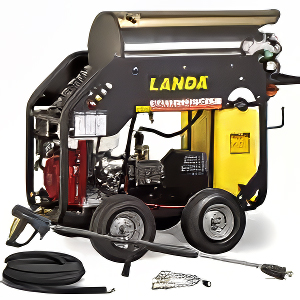
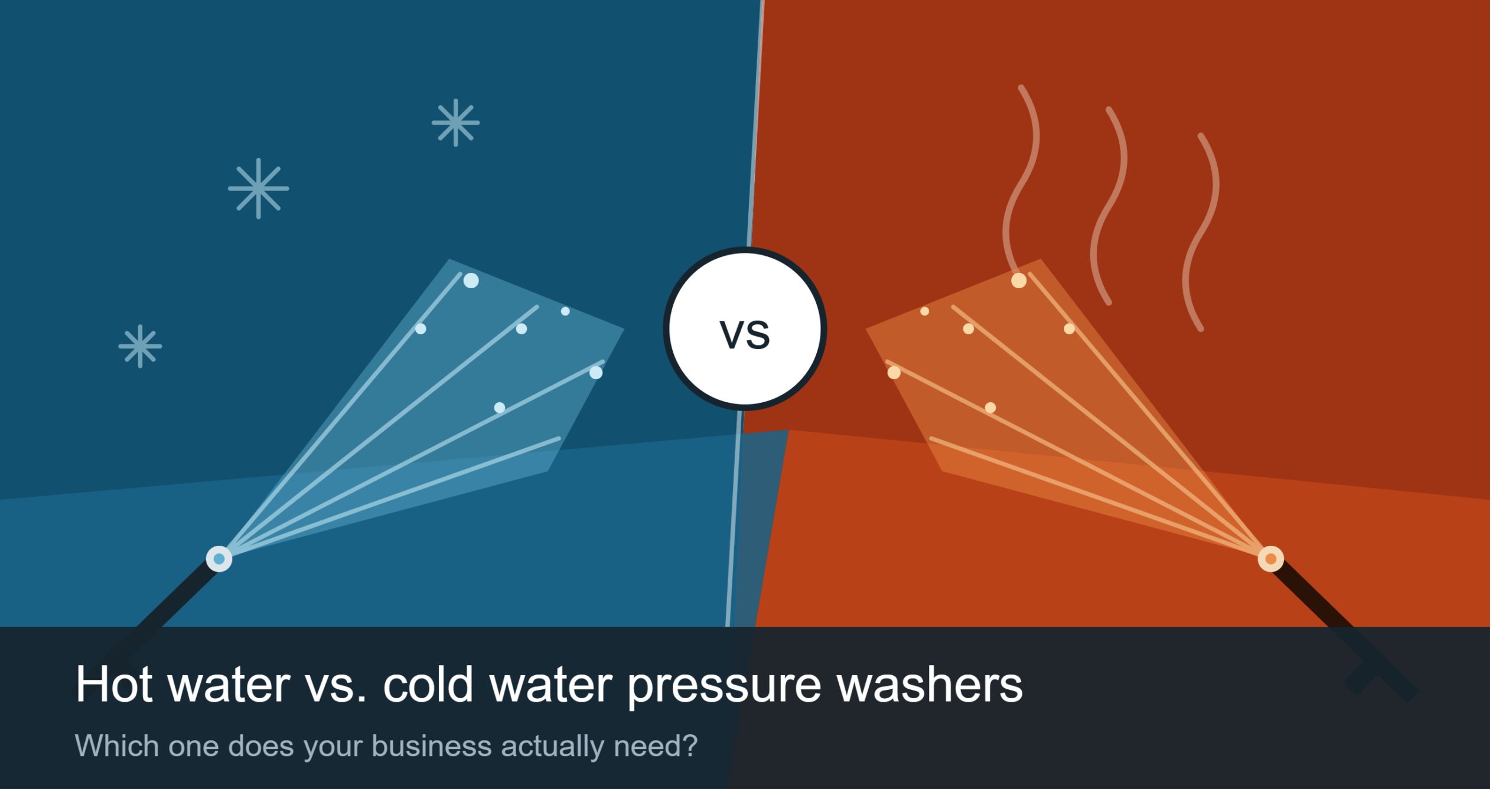
Hot water pressure washers use a diesel or natural gas burner to heat water to operating temperatures typically between 180 and 210 degrees Fahrenheit before it exits the nozzle. Cold water pressure washers deliver water at ambient or tap temperature, whatever is coming out of the supply line, typically 50 to 70 degrees Fahrenheit in Southern California.
The difference in cleaning effectiveness is dramatic for certain types of contamination and irrelevant for others.
Heat works in two ways that cold water cannot replicate regardless of pressure or flow rate.
First, hot water dissolves and emulsifies grease, oil, and petroleum-based contamination far more effectively than cold water, the same mechanism that makes warm water better than cold water for washing dishes applies at industrial scale.
Second, hot water reduces the surface tension of the water itself, allowing it to penetrate contamination more thoroughly and carry it away more completely.
For surfaces contaminated with engine oil, food grease, tire rubber, body oils, or other petroleum and organic compounds, hot water is not a luxury upgrade. It is what actually gets the surface clean in a reasonable amount of time and with a reasonable amount of chemical.
When Cold Water Is Sufficient
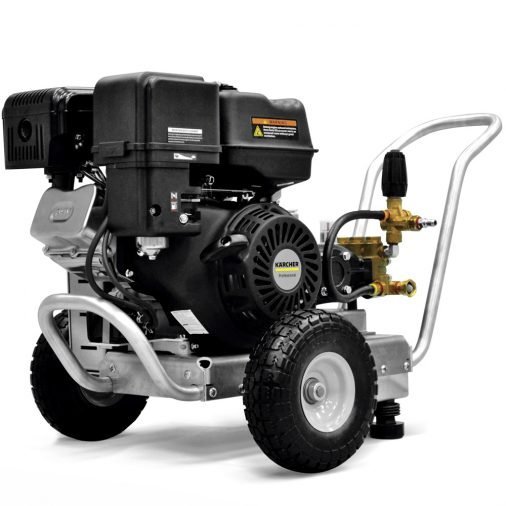
Cold water pressure washers are entirely adequate for a meaningful range of commercial applications. Washing dirt, mud, pollen, loose debris, dust, and surface soiling from vehicles, equipment, building exteriors, and paved surfaces is work that cold water handles effectively.
Agricultural equipment coated in soil and plant residue, construction equipment carrying concrete splatter and dirt, and building facades accumulating atmospheric grime are all appropriate cold water applications.
The pressure and volume of water are doing the cleaning work, and temperature adds minimal benefit when the contamination is not oil or grease-based.
According to the Pressure Washer Manufacturers Association, matching the cleaning system to the contamination type is the most important factor in achieving efficient cleaning results, which means cold water equipment used in the right application is not a compromise. It is the correct tool for the job.
The Applications Where Hot Water Is Non-Negotiable
Fleet washing for vehicles that accumulate engine oil, hydraulic fluid, and road grease is common in trucking, construction, and heavy equipment operations. It is the most clear-cut case for hot water.
A cold water pressure washer applied to a greasy truck chassis will move dirt and push some grease around, but it will not remove petroleum contamination effectively without excessive chemical use and scrubbing that makes the operation impractical.
Food and beverage processing equipment, restaurant kitchens, food trucks, and any environment where food grease and biological contamination must be removed and sanitized are hot water applications. Meat processing, commercial cooking equipment, and bakery equipment all require hot water to achieve the cleaning results that hygiene standards demand.
Cold water simply cannot achieve the emulsification of cooking fats and protein deposits that hot water accomplishes.
Vehicle detailing operations that include engine cleaning, degreasing, or paint decontamination work benefit significantly from hot water as well.
The Cost Consideration
Hot water pressure washers carry a higher purchase price and higher operating cost than comparable cold water units; the burner system, fuel consumption, and additional maintenance requirements add to both the upfront investment and the ongoing cost of operation.
For operations where hot water is necessary, this cost is justified by the cleaning results that cold water cannot achieve. For operations where cold water is genuinely sufficient, spending more for hot water capability that will not be used is poor equipment economics.
PSI Products carries a full line of commercial pressure washers in both hot water and cold water configurations across gas and electric power sources.
Contact PSI Products today to discuss your application and get the right equipment recommendation for your specific operation and budget.