Industrial pressure-washing systems play a critical role in maintaining safe, clean, and compliant facilities. Whether you manage a manufacturing plant, fleet yard, food processing facility, marina, or municipal operation, the right equipment ensures efficient cleaning, extends equipment life, and supports regulatory compliance.
But with so many specifications, pump types, temperature ratings, and PSI levels on the market, choosing the correct system can feel overwhelming.
At PSI Products, we help facilities across multiple industries select, install, and maintain the pressure-washing systems that match their work environment, not just what looks powerful on paper.
The wrong choice can lead to premature equipment failure, wasted energy, unnecessary downtime, or even safety hazards. The right choice keeps workflows smooth and operations safe.
Here’s what to evaluate before selecting a pressure-washing system for your facility.
Understand Your Facility’s Cleaning Requirements
Different environments require different pressure levels, flow rates, and system durability.
Ask these key questions:
- What are you cleaning? (vehicles, concrete, equipment, workstations, food-contact areas, marine buildup)
- How often will cleaning occur? (daily sanitation vs. periodic deep cleaning)
- What contaminants are present? (oil, fuel, grease, food residue, mud, chemicals, saltwater scale)
For example:
- Fleet yards benefit from high-flow cold-water systems to remove dirt quickly.
- Food processing environments often require hot-water or steam-capable washers to break down fats and sanitize surfaces.
- Marine and port operations benefit from corrosion-resistant materials and high-pressure descaling capabilities.
Matching the system to the workload is the foundation of long-term performance.
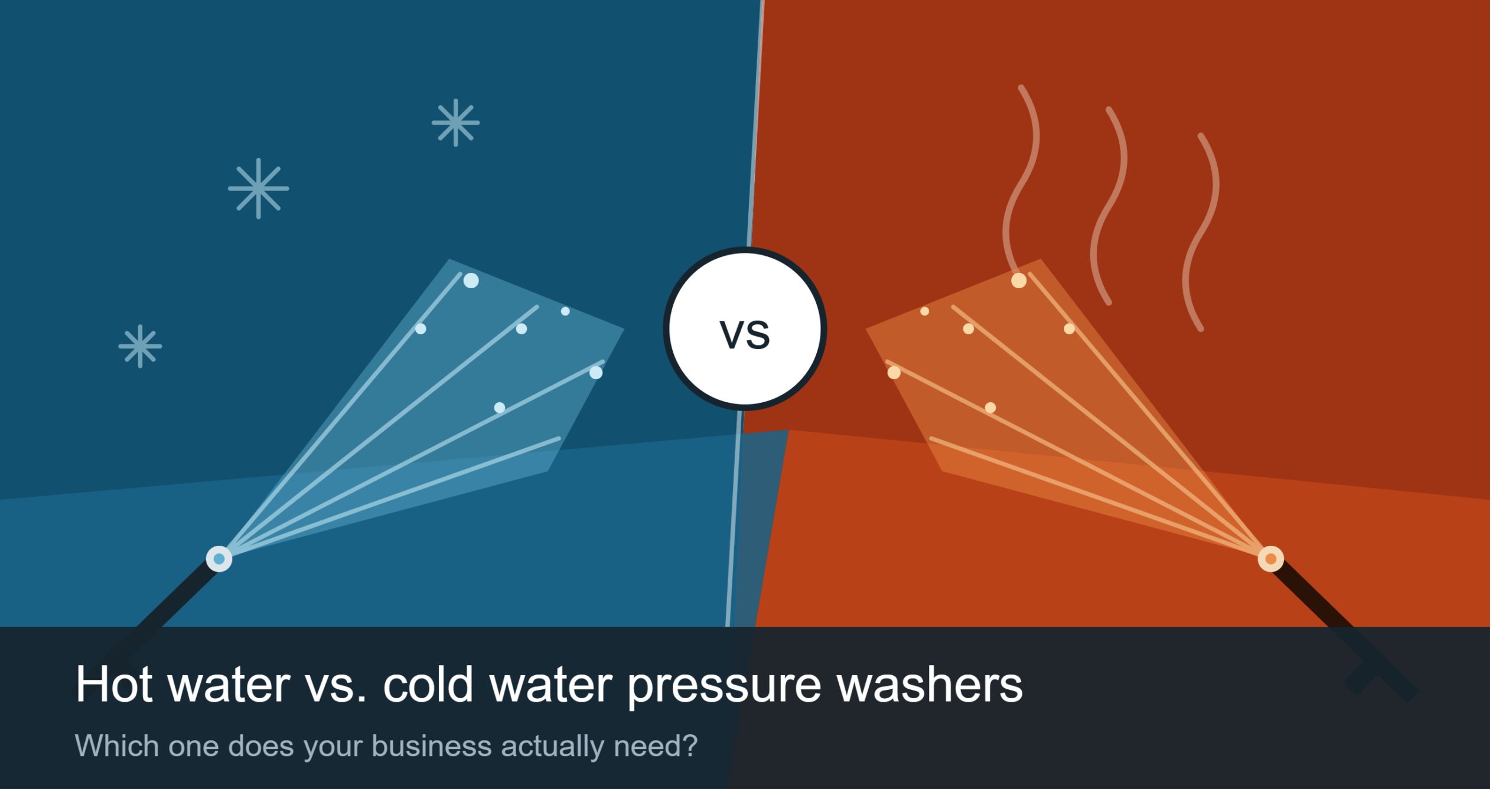
Choose Between Cold-Water and Hot-Water Systems
Both systems have advantages, but they work best under different conditions.
| System Type | Best For | Advantages |
| Cold-Water Pressure Washers | General dirt, mud, dust removal | Lower cost, lower maintenance |
| Hot-Water Pressure Washers | Oil, grease, fats, and industrial residues | Faster cleaning, reduces chemical use, sanitizes surfaces |
The CDC notes that heat significantly improves cleaning efficiency when organic contaminants such as oils and fats are present, reducing the need for excess scrubbing and detergents.
If your cleaning involves petroleum products, food oils, hydraulic fluids, or machinery residues, hot-water systems are usually the more efficient investment.
Evaluate PSI and GPM — Together
PSI (pressure) determines cleaning force.
GPM (flow rate) determines how quickly contaminants are flushed away.
A common mistake is focusing on PSI alone. For industrial applications, a balanced ratio matters more than peak pressure performance.
General guidelines:
| Application | Recommended Range |
| Light Equipment and Vehicles | 1,500-2,000 PSI / 2.0-3.0 GPM |
| Industrial Equipment & Facilities | 3,000-4,000 PSI / 3.5-5.0 GPM |
| Heavy-Duty Degreasing, Marine, Concrete | 4,000+ PSI / 4.0-8.0+ GPM |
Larger facilities may also benefit from centralized systems that distribute pressurized water through multiple access points, reducing operator downtime and equipment transport.
Explore industrial pressure washer options.
Consider Power Source and Installation Environment
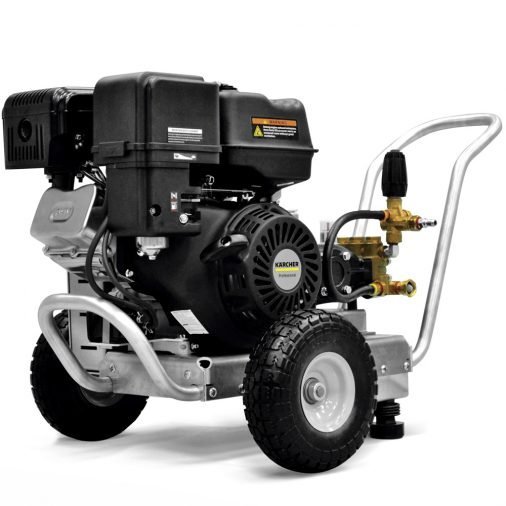
Pressure-washing systems are available in electric, gas, diesel, and hydraulic-powered configurations. The best choice depends on ventilation, mobility needs, and facility layout.
- Electric systems are quieter and ideal for indoor or enclosed environments.
- Gas and diesel units deliver high power but require ventilation and outdoor use.
- Trailer-mounted or skid systems are best for multi-site or large-area cleaning.
If your facility has outdoor wash bays, sanitation zones, or marine dock areas, you may require permanent installations with water reclaim systems.
Don’t Overlook Safety Requirements
Industrial pressure-washing systems generate force strong enough to cause serious injury if improperly used.
The Occupational Safety and Health Administration (OSHA) stresses the importance of operator training, PPE, pressure relief controls, and proper hose and wand handling.
Key safety considerations:
- Use hoses, nozzles, and trigger guns rated for your system’s PSI
- Ensure thermal relief valves are working to prevent overheating
- Implement anti-slip flooring in wash areas
- Train staff to avoid spray contact with skin, wiring, and moving parts
A system that is powerful but unsafe for your environment is not the right choice.
Common Pitfalls to Avoid
To ensure long-term reliability, avoid these frequent mistakes:
- Oversizing the system, leading to wasted energy and higher wear
- Undersizing, causing overworking, and premature pump or heater failure
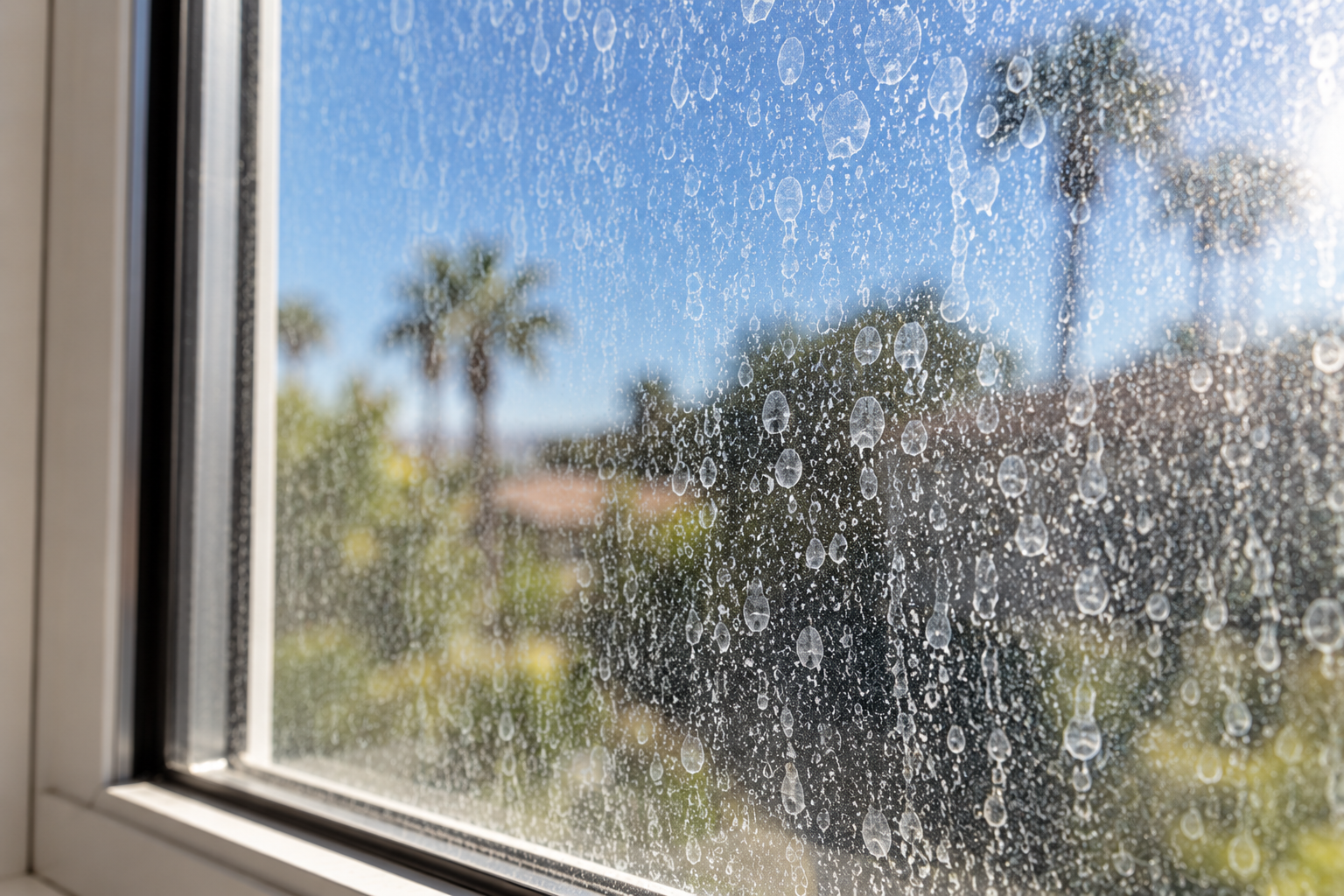
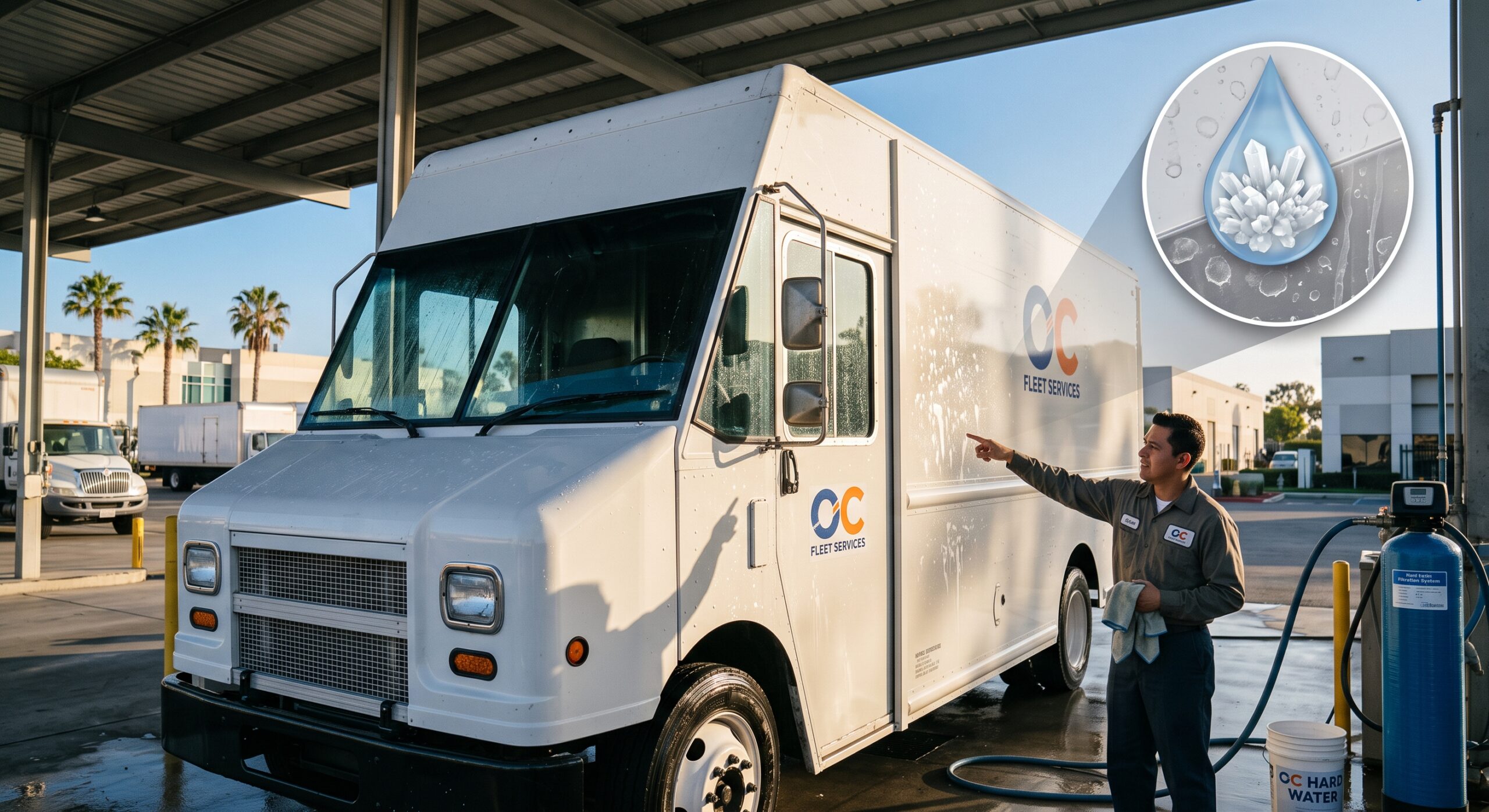
- Ignoring water quality, leading to mineral buildup or corrosion
- Choosing non-industrial hoses, which can rupture under high load
- Skipping preventative maintenance, which shortens equipment life
Industrial systems are an investment, and like any equipment asset, they perform best with the right support plan.
Final Thoughts
Choosing the right industrial pressure-washing system isn’t just about power. It’s about matching equipment to your facility’s workflow, safety requirements, and long-term maintenance plan.
Whether your goal is sanitation, equipment longevity, regulatory compliance, or operational efficiency, the correct system makes a measurable difference.
At PSI Products, we help facilities evaluate needs, select the right equipment, and maintain systems for reliable performance.
Whether you need a centralized wash system, trailer mount, steam-capable unit, or onboard sanitation solution, we’re here to provide expert guidance and hands-on support.
Request a consultation or equipment recommendation today!
We’ll help you choose confidently — and clean efficiently.